

Books and Courses

Practical self-training programs that adresses common problem areas in each part of the game.
Suitable for chess enthusiasts of all levels. Great supplement to private or group lessons.

Paperback and e-versions available!
And as interactive training courses on Chessable!
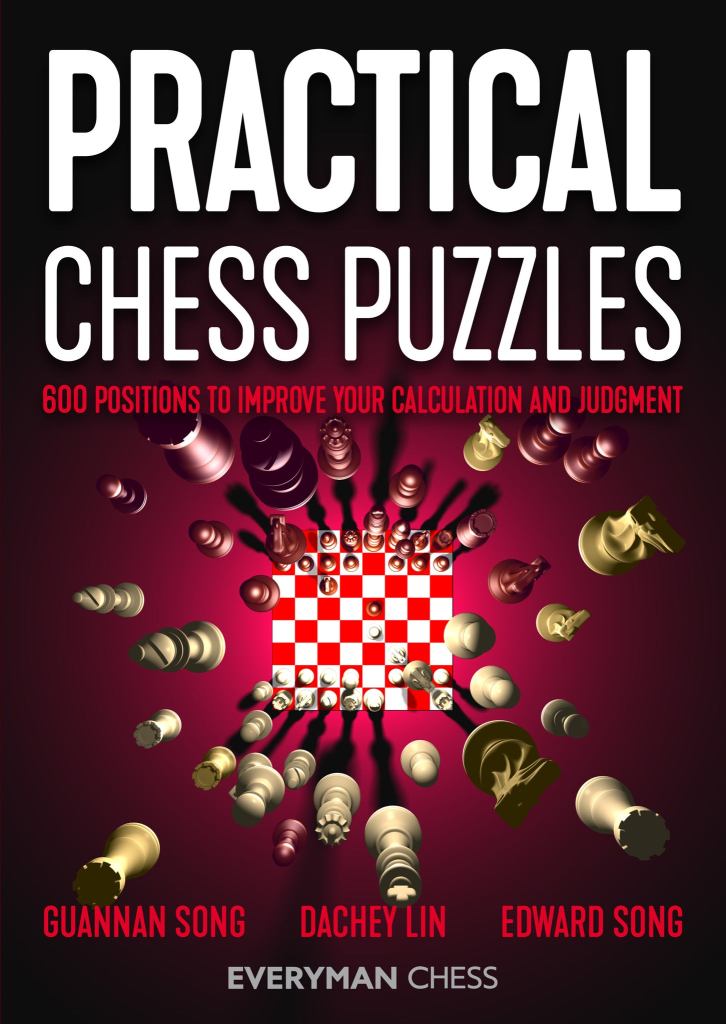
Practical Chess Puzzles
Many puzzle books take a far too simplistic approach and offer endless positions where the solution is nearly always along the lines of: queen takes something check, king takes queen, check, check and a pretty mate. Aesthetically pleasing perhaps but of minimal use for actual improvement as the patterns are so familiar. Practical Chess Puzzles avoids this pitfall. The positions chosen are far more like those that actually appear on the board during the vast majority of games. Furthermore, at all stages, the puzzles are ranked, enabling the student to gauge progress and identify and correct weaknesses.
Also available as an interactive Tactics training course enabled with Chessable’s MoveTrainer® technology.
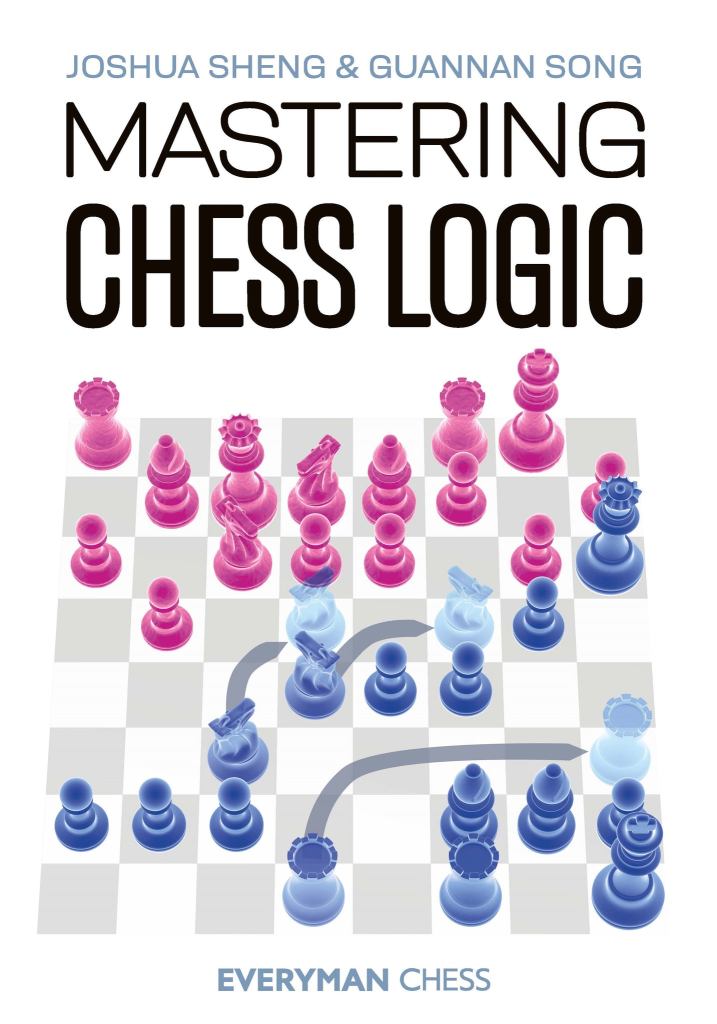
Mastering Chess Logic
What exactly makes the greatest players of all time, such as Magnus Carlsen, Bobby Fischer, and Garry Kasparov stand out from the rest? The basic aspects of chess (calculation, study of opening theory, and technical endgame ability) are of course of great importance. However, the more mysterious part of chess ability lies within the thought process.
Also available as an interactive Strategy/Tactics training course (with video) enabled with Chessable’s MoveTrainer® technology.
Practical Chess Puzzles largely delivers what is promised. The authors say that they are writing for players from 1200-2200—quite a range!— and the puzzles in each section track from less to more complex… there is an overt effort to present lesser known, diverse examples, featuring North American players and a full range of position types. All this serves to keep solvers on their toes.
— John Hartmann, digital editor for Chess Life magazine
In summary, the content lives up to the title and any tournament player from say 1200 Elo to perhaps 2200 will derive much benefit from working through the content. It is good to find a whole tranche of new material and ideas from real games played by mostly amateur players.
— John Upham, BritishChessNews.com
 Guannan Song